REAL ESTATE AGENCYIBIZALUXURY VILLAS FOR SALEMore than 15 years of real estate experience in Ibiza
Luxury Villas & Ibiza Mansions for Sale
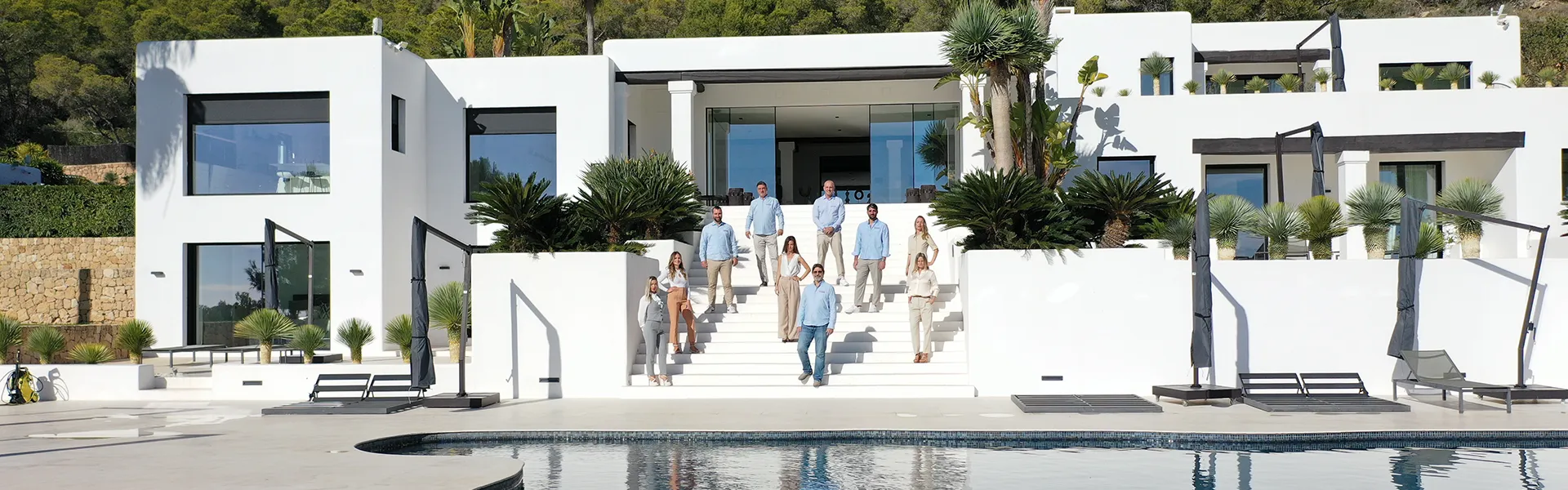
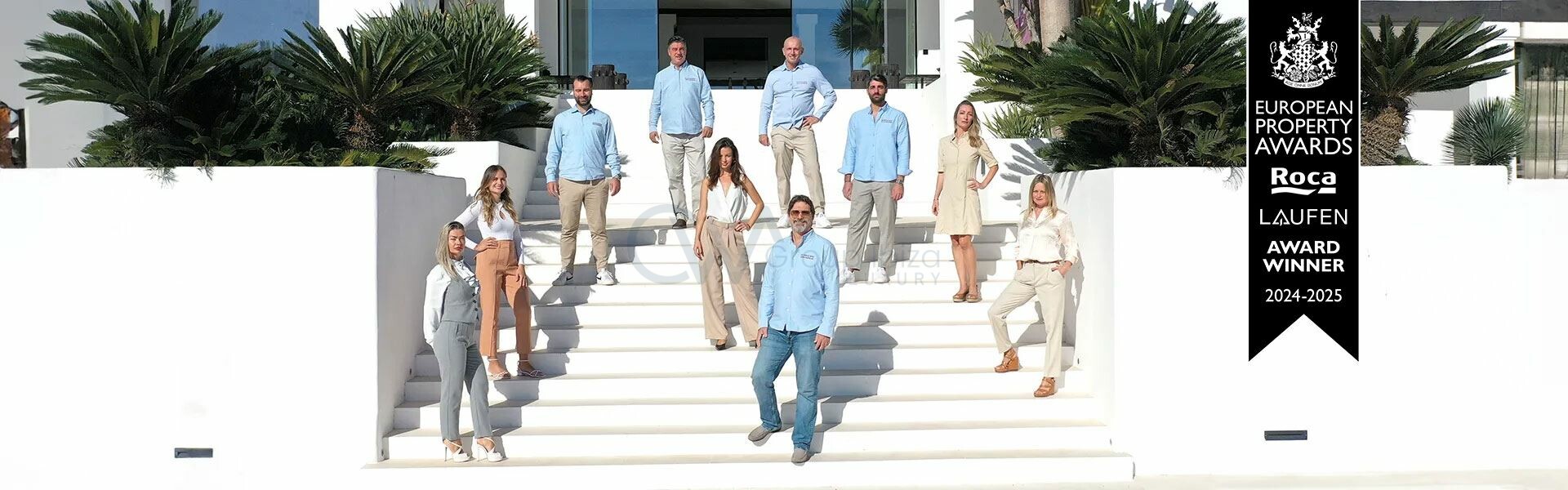
CW Real Estate Ibiza, awarded for real estate excellence in Spain 2024–2025
Looking for luxury villas for sale in Ibiza? CW Real Estate Ibiza has more than 15 years of experience helping international buyers find exceptional homes across the island. Our portfolio includes contemporary sea-view villas, frontline properties, Mediterranean estates, traditional fincas and Ibiza mansions for sale in some of the island’s most sought-after locations.
Our local knowledge allows us to advise buyers on the differences between areas, property types, price levels and lifestyles across Ibiza. Whether you are searching for a modern villa overlooking the Mediterranean, a private estate with a large plot or a permanent family home, we focus on properties that genuinely match your requirements, budget and preferred location.
Our work was recognised at the European Property Awards 2024–2025 with the award «Real Estate Agency 2–4 Offices, Spain». You can read more about this recognition.
A significant part of Ibiza’s high-end property market is never advertised publicly. Through our long-standing network of owners, agents and local contacts, CW Real Estate Ibiza can also introduce qualified buyers to selected off-market villas and privately marketed properties that do not appear on the main international property portals.
If you are selling a property in Ibiza, our team can also provide professional guidance, discreet marketing and access to an international buyer network. Whether buying or selling, our approach is personal, transparent and focused on helping you make well-informed decisions. View all properties for sale in Ibiza.
Luxury Villa Prices in Ibiza in 2026
Luxury villa prices in Ibiza vary considerably by location, sea views, plot size, privacy and property quality. As a general indication, premium villas can start around €2 million to €3 million, while prime sea-view homes and mansions for sale in Ibiza often occupy considerably higher price segments.
Exceptional properties in areas such as Es Porroig, Vista Alegre and Cala Jondal can reach €10 million, €15 million, €20 million or more. These figures are 2026 asking-price indications and not fixed property values.
Why Buyers and Owners Choose CW Real Estate Ibiza
With more than 15 years of experience in Ibiza, CW Real Estate Ibiza helps buyers and owners navigate a complex property market where licences, planning regulations, land classification and the legal status of buildings can significantly affect a transaction.
Our network also gives qualified buyers access to selected off-market villas that are never published on the main property portals. For more information about legal checks, taxes and the purchase process, read our guide to buying a property in Ibiza.
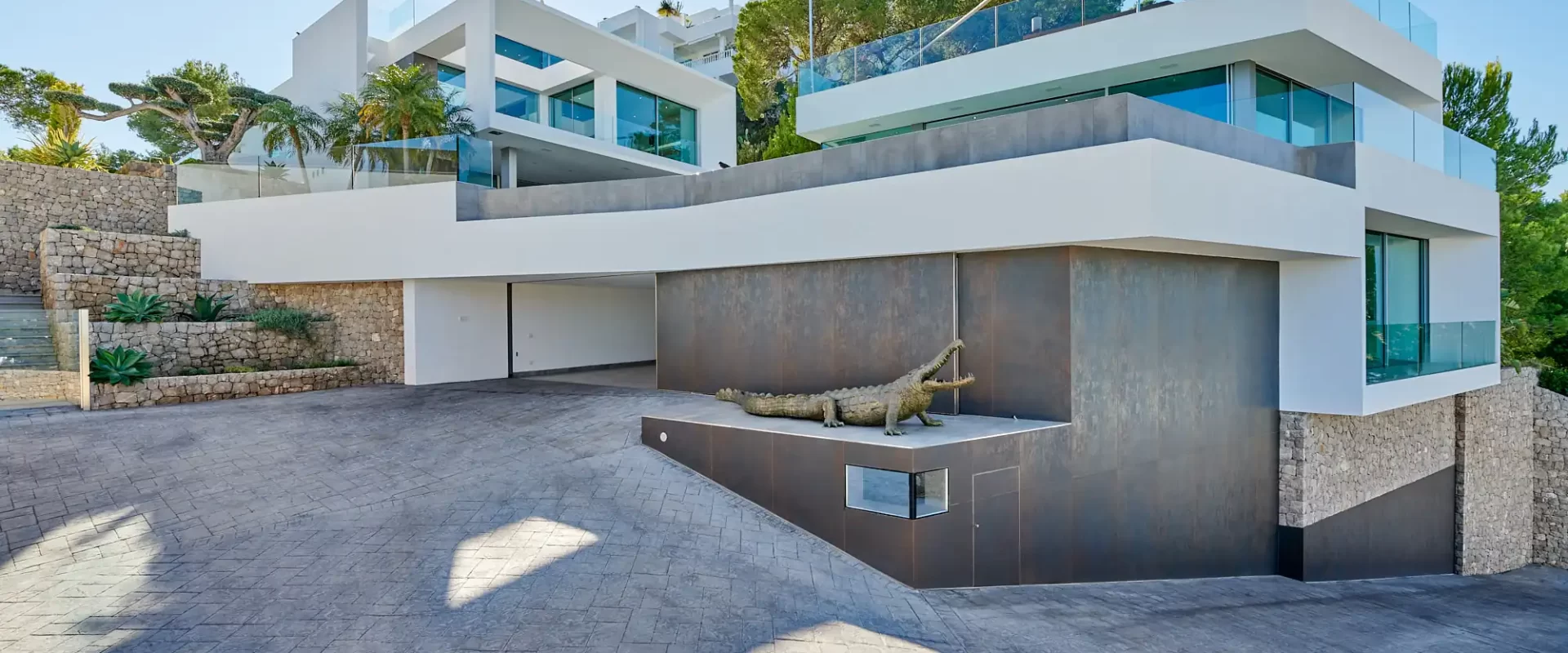
The 4-storey luxury estate with 5 bedrooms and a maid's flat. In the top floor is a VIP suite with sound system and sauna in the shower. Porcelanosa floors with underfloor heating throughout the property, a…...
Luxury villas, Ibiza mansions and exclusive properties for sale
CW Real Estate Ibiza offers a carefully selected portfolio of luxury villas, exclusive mansions, houses, apartments, fincas and building plots across the island. Our strongest properties include contemporary sea-view villas, substantial Ibiza mansions on large private plots, frontline homes and renovated Mediterranean residences in some of the island’s most desirable locations.
The properties shown online represent only part of our portfolio. A significant number of high-end villas and mansions are marketed privately and off-market because their owners prefer discretion. These properties are shared selectively with qualified buyers and are not advertised on the main property portals.
Each property is reviewed with attention to architecture, exact location, privacy, orientation, access, overall condition and its suitability within the Ibiza luxury real estate market. These details can make a significant difference when comparing two villas or mansions that may initially appear similar online.
Finding your luxury villa or mansion in Ibiza with personal guidance
Buying a luxury property in Ibiza involves more than choosing a villa or mansion with the right number of bedrooms or a beautiful sea view. The surrounding area, privacy, plot size, orientation, access, legal status, outdoor space and distance to beaches, schools, restaurants or Ibiza Town can all influence whether a property truly fits your lifestyle and long-term plans.
At CW Real Estate Ibiza, we take the time to explain the relevant property information, purchase costs, documentation and important legal considerations before you make a decision. We also communicate openly when a villa or mansion does not fully match your requirements or when certain aspects should be examined more carefully by the appropriate legal or technical professionals.
Before arranging a viewing, we aim to give international buyers a clear and realistic impression of each property through detailed descriptions, professional photography, videos, floor plans and additional information whenever available. This is particularly useful for clients travelling to Ibiza from the United States, the United Kingdom, Germany, France, the Netherlands and other international markets who want to compare luxury villas and mansions before arriving on the island.
Our local knowledge also helps buyers compare Ibiza’s different residential areas. A contemporary villa in Vista Alegre offers a very different environment from a private estate in Es Porroig, a sea-view home in Roca Llisa or a traditional finca in the countryside. Understanding these differences is an important part of finding the right property.
Whether you are searching for a contemporary sea-view villa, an exclusive Ibiza mansion, a frontline estate, a traditional finca, a permanent family residence or a discreet off-market property, CW Real Estate Ibiza provides personal, transparent and professional guidance throughout the search, viewing and purchase process.
Ibiza has long been one of Europe’s most recognizable summer destinations, but for American travelers it has always required a little more effort to reach. That changes in 2027. United…...
Ibiza is no longer just the island of legendary nightlife. Over the past two decades, it has developed into one of the most attractive destinations for real estate investors in Europe.…...
Formentera, the smallest inhabited island in the Balearic Islands, is a hidden gem in the Mediterranean. This enchanting island, situated south of Ibiza, offers a unique combination of unspoilt nature,…...
By Christian Wolf, CEO & Owner – Award-Winning Real Estate Agent in Ibiza, Spain Most people picture Ibiza as music, parties, and busy beach clubs. But anyone who truly knows…...
By Christian Wolf, CEO & Owner – Award-Winning Real Estate Agent in Ibiza Spain When most people think of Ibiza Spain, they picture world-class DJs, beach clubs, and long summer…...
Ibiza is an island that captures the true spirit of freedom, rhythm, and Mediterranean elegance. It is a place where turquoise waters meet golden beaches, where music floats through warm…...

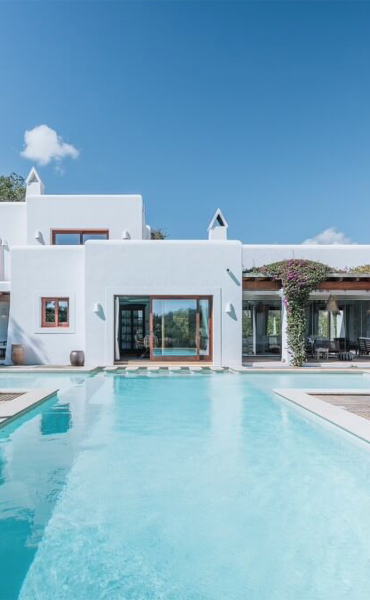
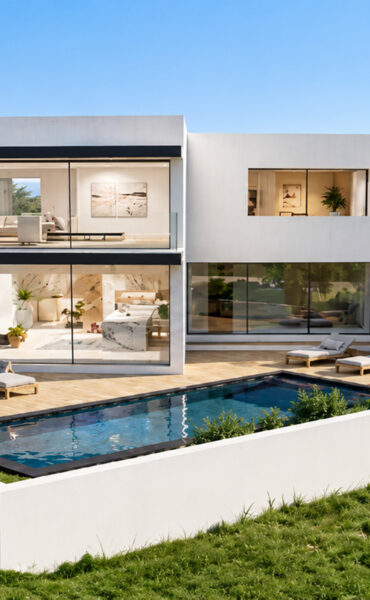
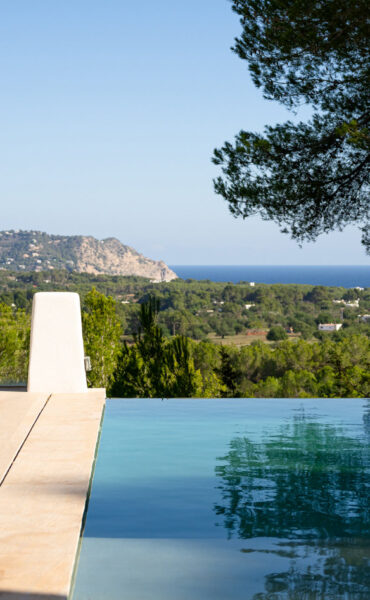
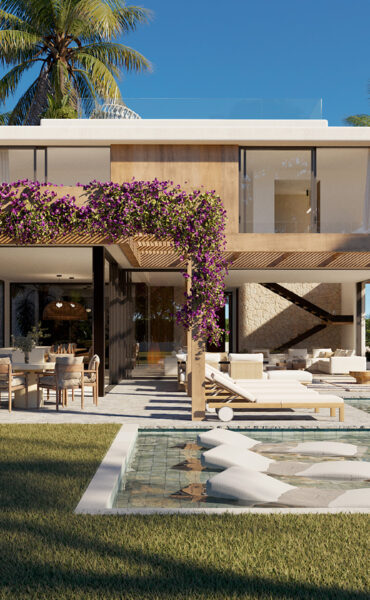
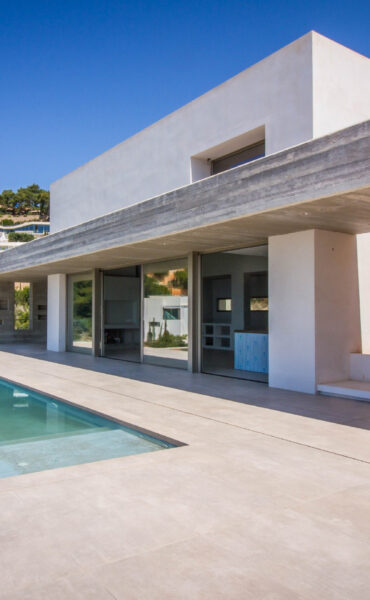
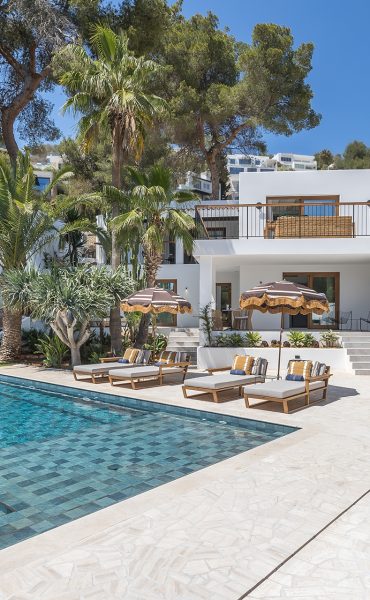
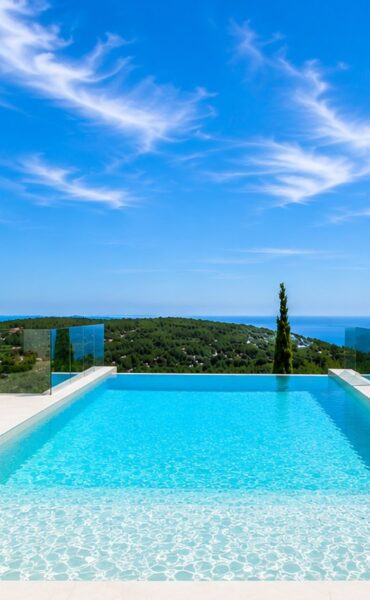
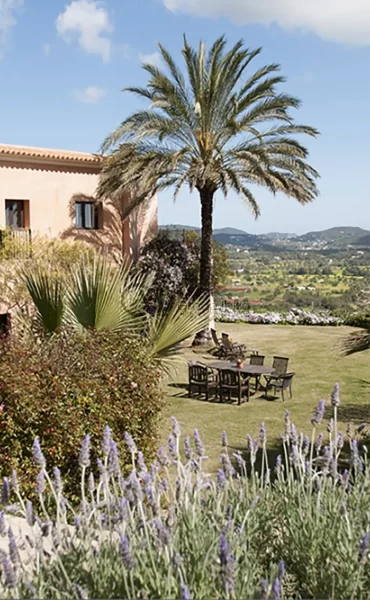
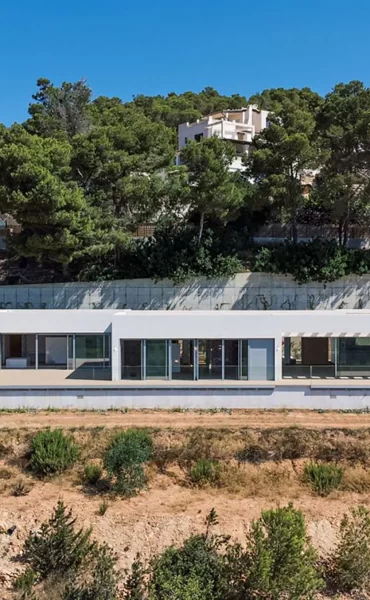
 € 12,500,000SiestaThe 4-storey luxury estate with 5 bedrooms and a maid's flat. In the top floor is a VIP suite with sound system and sauna in the shower. Porcelanosa floors with underfloor heating throughout the property, a…...