
Selling your property in Ibiza
By Christian Wolf, Founder & CEO of CW Real Estate Ibiza
Selling a property in Ibiza can involve more steps than many owners initially expect. From establishing a realistic asking price and preparing the necessary documentation to marketing the property, negotiating with potential buyers and completing the sale before a notary, each stage can influence how smoothly the transaction progresses.
The Ibiza property market also has its own characteristics, with a large international buyer base, different property types and specific legal and administrative requirements. Understanding the process before putting your property on the market can help you prepare properly, avoid unnecessary delays and make informed decisions throughout the sale.
This step-by-step guide explains the main stages of selling a property in Ibiza, including valuation, choosing an estate agent, preparing the property for sale, marketing, viewings, negotiations, legal documentation, taxes and completion. It is designed to give property owners a clear overview of what to expect from the moment they decide to sell until the final signing before a notary.
If you are currently exploring the market before selling, perhaps to compare asking prices or consider your next move, you can review our current houses for sale in Ibiza, apartments for sale in Ibiza, land for sale in Ibiza and fincas for sale in Ibiza. If you would prefer to discuss your own property directly, our property selling service in Ibiza explains how CW Real Estate Ibiza can assist from valuation and preparation through to marketing, negotiation and completion.
01: Use a Trusted Estate Agent in Ibiza
The role of an experienced estate agent is central to the entire property sales process. From the first valuation and preparation of the property to marketing, viewings, negotiations and completion, a good agent coordinates many of the steps involved and acts as the main point of contact between the seller and potential buyers.
In Ibiza, local market knowledge is particularly important. Buyer demand, property types, planning documentation, licensing questions and pricing can vary considerably between different areas of the island. An agent who understands the local market can help position the property correctly, identify suitable buyers and coordinate with other professionals involved in the transaction, including lawyers, notaries, architects and technical advisers.
International buyers also make up an important part of the Ibiza property market. This means that communication, presentation and the ability to work with buyers from different countries can be just as important as local knowledge. Our CW Real Estate Ibiza team works with property owners and international buyers across the island and can assist throughout the different stages of a sale.
What to Look for When Choosing an Estate Agent
- Trust and communication: Choose an agent with whom you can communicate openly and clearly. Good communication helps ensure that expectations regarding price, marketing, viewings, negotiations and timing are understood from the beginning.
- Track record and local experience: Look for an agency with verifiable experience in Ibiza and knowledge of the area where your property is located. Understanding local buyer demand, comparable properties and current market conditions can help establish a realistic sales strategy.
- Marketing and international reach: Ask how the property will be presented and where it will be marketed. Professional photography, accurate property information, online visibility and access to international buyers can all contribute to reaching the right audience.
- Professional network: A well-established estate agent should also be able to coordinate with the lawyers, notaries, architects, technical advisers and other professionals who may be required during the transaction.

- Regional expertise: Look for agents with proven experience in the area where your property is located, whether that is Santa Eulària, Sant Josep or another part of the island. Ibiza is made up of distinct local property markets, and buyer demand, property types, asking prices and expectations can vary considerably between different locations. An agent who knows your specific area can therefore provide valuable insight when positioning the property.
- Accurate valuation skills: A professional estate agent should be able to explain how the suggested asking price has been established, taking into account factors such as location, property size, condition, views, quality of construction, legal and planning documentation, comparable properties and current market conditions. Be cautious if a valuation is significantly higher than other assessments without a clear explanation of how that figure was reached.
- Clear, upfront expectations: Important details should be discussed before the property is actively marketed. This includes whether the property will be sold furnished or unfurnished, which fixtures or contents are included, whether any pending work will be completed before the sale and whether there are matters that a potential buyer should be informed about. Recording these points clearly can help avoid misunderstandings later during negotiations.
- Accessibility and responsiveness: Selling a property can involve many questions at different stages of the process. Your agent should remain accessible, provide regular updates and explain developments clearly, particularly when there are viewings, offers, negotiations or documentation that requires your attention.

Questions to Ask Your Estate Agent
- What have you sold in this specific locality recently, and at what prices?
- What is my property realistically worth in today’s market?
- Do you work exclusively, or alongside other agents and agencies?
- How many properties have you sold in the last 12 months?
- How are viewings organised, and who is present during them?
Once you have clarified your expectations and asked these questions, a good agent should provide you with a genuine market assessment, not simply a list of current asking prices, but real context based on buyer demand, negotiations and recent transactions.
Based on our experience at CW Real Estate Ibiza and the properties we work with, well-positioned houses offered at realistic market prices are currently often valued at around €8,800 to €9,000 per square metre. In prime waterfront locations and particularly sought-after areas around Ibiza Town, values can reach approximately €10,000 to €14,000 per square metre, depending on the location, views, condition, quality, privacy and individual characteristics of the property.
Pricing is also one of the most important factors affecting how long a property remains on the market. From our experience, a good property that is realistically priced for its location, size and quality can often sell within around six months, and sometimes considerably faster. Properties that enter the market at a price significantly above what buyers are prepared to pay can remain unsold for years and may receive very little serious interest.
This is why asking prices seen online should not automatically be treated as actual market values. A knowledgeable estate agent should be able to explain where your specific area and property type sit within the Ibiza market, how the recommended price has been calculated and whether that price is realistic for today’s buyers.
Before listing your property, we recommend speaking with your estate agent and, where appropriate, an independent lawyer or qualified tax adviser to understand the taxes and costs that may apply to your individual sale. The final tax position depends on factors such as your tax residence, the original acquisition value, the sale price, deductible costs, how the property has been used and whether any exemptions apply.
- Capital Gains Tax: For non-resident individuals selling a property in Spain, capital gains arising from the sale of the property are generally taxed at 19% on the taxable gain. Spanish tax residents are generally taxed under the progressive savings income scale, which currently ranges from 19% to 30%. The taxable gain is not simply the difference between the original purchase price and the selling price, as certain acquisition and disposal costs may also be taken into account.
- 3% Non-Resident Withholding: When the seller is not tax resident in Spain, the buyer is generally required to withhold 3% of the agreed purchase price and pay it to the Spanish Tax Agency as a payment on account of the seller’s Non-Resident Income Tax. The seller then submits the corresponding tax return to calculate the final liability and, where applicable, pay any balance or request a refund of an excess withholding.
- Plusvalía Municipal: This local municipal tax relates to the increase in value of urban land and is separate from Capital Gains Tax. Whether tax is due and how it is calculated depends on the circumstances of the property and the applicable municipal rules. In a normal sale the seller is generally the taxpayer, although special rules apply when the seller is a non-resident individual, so the position should be confirmed before completion.
Tax exemptions may apply in certain situations. For example, qualifying sellers over the age of 65 may be exempt from Capital Gains Tax when selling their habitual residence. An exemption may also be available in qualifying cases when proceeds from the sale of a habitual residence are reinvested in another habitual residence within the legally permitted period. These exemptions are subject to specific conditions, so sellers should obtain individual tax advice rather than assume that an exemption will automatically apply.
Tax rules can change and each sale has its own circumstances. For that reason, CW Real Estate Ibiza recommends confirming the tax position with a qualified tax adviser before signing a binding sale agreement or completing the transaction.
02: Preparing Your Property for Sale
Preparing your property properly is one of the most important stages of the selling process. This is where you assess how the home should be presented, what documentation may need attention and, most importantly, where the property should be positioned in the current Ibiza market.
Maintaining a realistic view of your property’s value is particularly important. There is often some room for negotiation between the asking price and the final agreed price, but comparing your property only with other listings online can be misleading. Advertised asking prices do not necessarily represent the prices ultimately agreed between buyers and sellers, and actual transaction prices are not always publicly available in a form that allows a direct comparison.
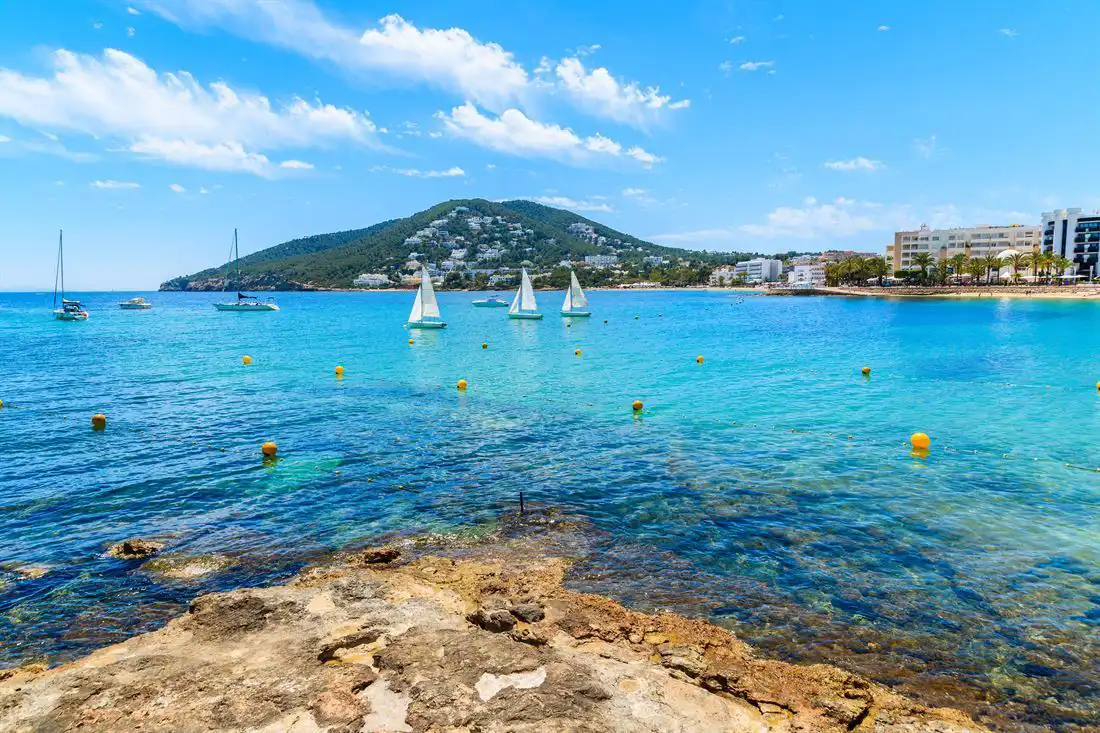
Presentation also plays an important role. A clean, well-maintained and carefully presented property can create a stronger first impression, attract more serious buyer interest and support the overall positioning of the home. Depending on the property, this may involve simple maintenance, decluttering, improving outdoor areas, preparing professional photography or addressing visible issues before viewings begin.
Your estate agent should provide market context based on the location, property type, condition and current buyer demand, but it can also be useful to carry out some research yourself. Compare similar properties in your area on established real estate portals to understand current asking-price positioning, and ask your agent to explain what types of buyers are currently active in your specific area and how your property compares with competing homes on the market.
Prepare Your Home Presentation Thoughtfully
Once you have researched the market and established a realistic position for your property, the next priority is preparing the home for viewings. Presentation can have a significant influence on a buyer’s first impression, particularly in Ibiza, where many potential buyers initially discover properties through professional photography, video and online listings before arranging a viewing.
Research from the National Association of Realtors in the United States also illustrates the potential importance of presentation. In its 2025 Profile of Home Staging, 49% of sellers’ agents reported that staging reduced the time a property spent on the market, while 29% reported an increase of between 1% and 10% in the value offered. Although this research relates to the US market rather than Ibiza specifically, it supports something we also see in practice: buyers generally respond better to homes that are clean, well maintained and presented in a way that makes the property’s qualities easy to understand.
Start by decluttering and creating a clean, welcoming atmosphere that allows buyers to focus on the property itself. Personal belongings such as family photographs, jewellery, children’s toys and other highly individual items can be stored away before photography and viewings. Furniture and decoration should also be considered carefully. The objective is not to remove all personality from the home, but to present the rooms clearly and allow potential buyers to imagine how they could use the space themselves.
Creating a simple defects list before the first viewing is also worthwhile. Walk through the property carefully and identify items that may require attention, such as chipped paint, small leaks, damaged fittings, heating or air-conditioning issues and other visible maintenance problems. It is also sensible to check that important systems and appliances, including hot water, electricity and installed equipment, are functioning correctly.
Minor defects do not necessarily prevent a sale, but addressing straightforward maintenance issues before viewings can improve the overall impression of the property and reduce unnecessary questions during negotiations. For more substantial defects or technical issues, sellers should discuss with their estate agent and, where appropriate, a qualified professional whether repairs should be completed before marketing or clearly disclosed to potential buyers.
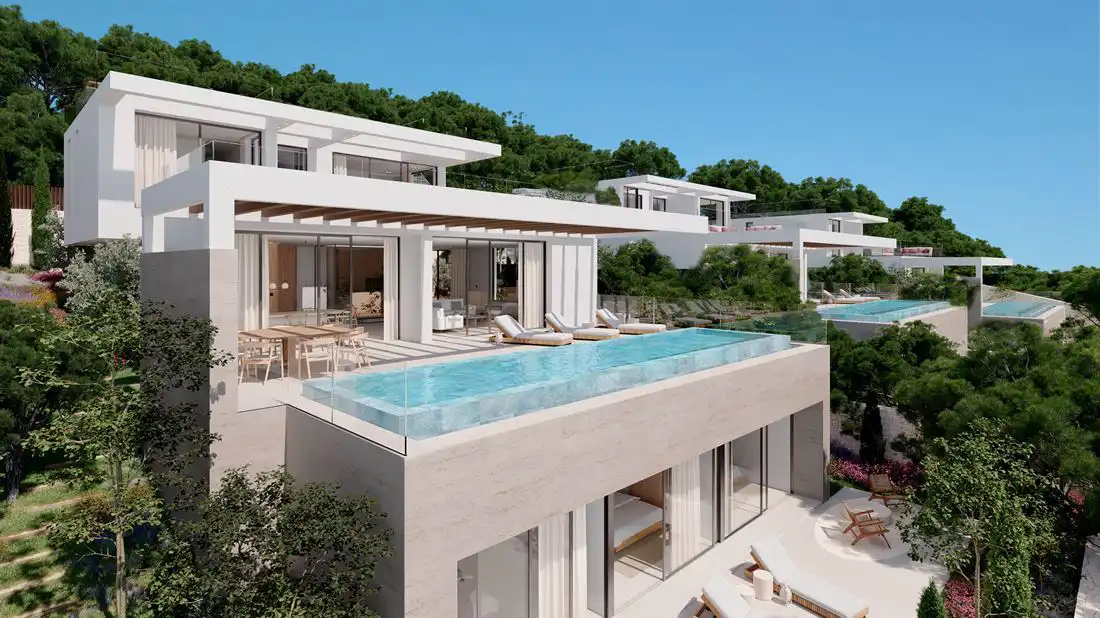
To get your property truly viewing-ready, a professional cleaning company is worth the investment — it’s one of the fastest ways to elevate first impressions at minimal cost. A fresh coat of paint in neutral tones and polished or refinished flooring can also make a noticeable difference in how modern and cared-for the property feels. Address any outstanding issues before viewings begin, not during negotiations — problems discovered by a buyer mid-process tend to become bargaining chips, whereas the same issues fixed in advance simply disappear from the conversation.
Reviewing the property inventory before viewings start is equally important, and often overlooked. In our experience, mismatches between what’s listed in the inventory and what buyers actually see in the property — furniture, appliances, fixtures — are a common cause of deals falling through at the last stage, simply because expectations set early in the process weren’t met later. Take the time to make sure your inventory is accurate and complete before the first viewing, not after an offer is on the table.
Your estate agent will also have practical, experience-based recommendations for how to present your specific property — from which rooms to highlight first to how to sequence a viewing for maximum impact. It’s worth asking for this input directly rather than assuming it will come up on its own.
03: The Listing Agreement
The listing agreement sets out the terms under which an estate agent will market and sell your property. It normally covers the asking price, the agent’s commission, the duration of the agreement, the services provided and when the commission becomes payable. Before signing, make sure you understand exactly what you are agreeing to, particularly whether the mandate is exclusive or non-exclusive.
In Ibiza, many sellers choose to work with more than one estate agency. This is possible when the agreements with the individual agencies allow it. Under a non-exclusive arrangement, several agents may market the same property and the commission is normally earned by the agency responsible for introducing the buyer who ultimately completes the purchase, subject to the terms of the agreement.
Working with several agencies can increase exposure, but it also requires some coordination. Different agents may use different photographs, descriptions or marketing strategies, and problems can arise if the property appears online with different prices or conflicting information. For this reason, sellers should make sure that every agency is working with the same basic property details and the same agreed asking price.
It is also worth checking where and how your property is being advertised. Seeing the same home listed several times on the same property portal does not necessarily create more interest. In some cases, repeated listings with different photographs, descriptions or prices can make buyers uncertain about the property or give the impression that it has been on the market for a long time.
An exclusive agreement can offer a different approach, with one agency taking responsibility for the marketing strategy, viewings, communication and negotiations. Whether an exclusive or non-exclusive arrangement is better depends on the property, the seller’s preferences and the level of service offered by the agency. The important point is to understand the agreement before signing and to make sure the marketing strategy is clear from the beginning.
Another practical point is to clarify from the beginning who can use the marketing materials created for your property. Ask your agent whether you can receive copies of the professional photographs, floor plans, videos and brochures, and whether these materials may also be shared with other agencies if you are working on a non-exclusive basis. Using the same high-quality information and images can help keep the presentation of the property consistent across different websites and portals.
Some sellers prefer to work with one agency under an exclusive agreement. This can make the process easier to coordinate because one agent manages the main marketing strategy, viewings, communication with buyers and negotiations. It can also help avoid duplicate listings, different asking prices or several versions of the same property appearing online at the same time.
With an exclusive agreement, you should still ask exactly what the agency will do for you. This may include professional photography, video, floor plans, portal advertising, international marketing, direct contact with existing buyers and cooperation with other agencies. If you would like to understand more about the role of an agent in the sales process, read our guide to working with a real estate agent when selling in Ibiza.
The value of an exclusive agreement depends largely on the quality of the service, the marketing plan and how actively the agency works on the sale. Before signing, ask how the property will be presented, where it will be advertised and how enquiries, viewings and offers will be handled.

An exclusive agreement can also help keep the presentation of your property consistent. The same professional photographs, property description, asking price and marketing information can be used across the different channels where the home is advertised. This avoids situations where buyers find the same property online with different prices, different photographs or conflicting information.
Price consistency is particularly important. If a buyer sees the same property advertised at several different prices, it can create unnecessary questions and may influence the way they approach negotiations. A clear and coordinated marketing strategy helps ensure that buyers receive the same information regardless of where they first discover the property.
A well-prepared marketing campaign can also give an individual property a stronger identity. Good photography, accurate information and a clear presentation help buyers understand what makes the home different from other properties they may be considering. This does not guarantee a sale, but it can help attract more relevant enquiries and create a better basis for viewings and negotiations.
Neither an open listing nor an exclusive agreement is automatically the better choice. The right arrangement depends on the property, the seller’s circumstances, the marketing strategy and how much coordination is required. A good estate agent should explain the advantages and disadvantages of both options and recommend the approach that makes the most sense for the individual property.

04: Marketing Your Property for Sale in Ibiza
Good marketing plays an important role in selling a property in Ibiza, but it has to work together with the right asking price and a clear sales strategy. Two similar properties offered at the same price can receive very different levels of interest depending on the quality of the photographs, the property description, where the listing appears and how well the agent reaches the right buyers.
The level of marketing provided can vary between estate agencies and properties. Professional photography and an accurate presentation should form the basis of every serious listing. Depending on the property and the agreed marketing strategy, additional measures may include professional video, drone photography, social media campaigns, international property portals, direct marketing to existing clients and cooperation with other agencies.
Higher-value properties often justify a larger marketing budget because they may require a more specific international audience and a more detailed presentation. This does not mean that spending more automatically produces a sale. The marketing should be appropriate for the property, its location, its price range and the type of buyer most likely to be interested.
If you believe your property needs more exposure, discuss this with your agent before spending additional money. Ask what is already included in the agency’s marketing plan, which channels are being used and what additional promotion could realistically achieve. In some cases, a seller may choose to contribute towards additional photography, video, advertising or international promotion, but the costs and intended use should be agreed clearly in advance.
Marketing also cannot compensate for an unrealistic asking price. Based on our experience at CW Real Estate Ibiza, even an excellent property can remain on the market for a long time if buyers consider the price too high. Strong presentation brings buyers to the property, but realistic pricing is what gives those buyers a reason to take the next step.

At CW Real Estate Ibiza, we produce our property marketing in-house and cover the cost of the standard marketing package ourselves. Our aim is to have the main marketing materials prepared within two days of onboarding a property, including professional photography, video and the content needed to launch the listing across our main marketing channels.
For properties listed with us on an exclusive basis, we coordinate the complete presentation and marketing process. This allows us to keep the photography, property information, asking price and overall presentation consistent from the beginning and to manage how the property appears across websites, portals and other promotional channels.
The marketing strategy is adapted to the individual property. A villa with sea views, a countryside finca and an apartment close to Ibiza Town may appeal to very different buyers, so the presentation and choice of marketing channels should reflect the property, its location and the audience we want to reach.
If you would like to know more about the people involved in preparing, marketing and selling our properties, you can meet the CW Real Estate Ibiza team.
05: Viewings of Your Property in Ibiza
Good photographs and video help buyers decide whether a property is worth visiting, but the viewing itself is where they begin to understand how the home really feels. At CW Real Estate Ibiza, we therefore prepare the visual presentation carefully before arranging viewings, so potential buyers already have a realistic impression of the property before they arrive.
We also use our own marketing channels to introduce properties to buyers who are actively looking in Ibiza. This includes our YouTube channel, social media, direct enquiries and individual mailings to buyers in our network. The aim is not simply to generate as many viewings as possible, but to attract people whose requirements, budget and preferred location genuinely match the property.
Before a viewing, the house should be clean, tidy and ready to show. Outdoor areas, terraces and the pool should also be presented properly, particularly in Ibiza where outside living is an important part of many properties. Where possible, personal items should be kept to a minimum and rooms should be easy to access so buyers can concentrate on the property rather than distractions.
It is also useful for the agent to know the important details of the property before the viewing. Buyers may ask about the size of the plot and house, licences, renovations, running costs, furniture, access, orientation, privacy or the surrounding area. Having accurate information available helps make the viewing more useful and avoids uncertainty later.
For some properties, an open house can also be considered. Bringing several interested buyers to the property within a defined period can create activity around a new listing and allows visitors to experience the home in person. An open house is not suitable for every property, however. For higher-value homes or sellers who prefer more privacy, individually arranged private viewings may be the better approach.
Whether viewings are organised individually or through an open house, quality is more important than quantity. A smaller number of properly qualified buyers is usually more useful than repeatedly showing the property to people whose budget or requirements do not match the home.

A viewing is often the point at which a potential buyer decides whether the property really feels right. For that reason, the house should be properly prepared before professional photographs, video and viewings begin. Outstanding maintenance should be dealt with where practical, and any work that will not be completed before the sale should be explained clearly so buyers understand the condition of the property from the beginning.
Before the first viewing, spend some time with your estate agent discussing the details that make the property special. This might include the history of the house, renovations, views, orientation, privacy, outdoor areas or practical advantages that may not be obvious from the photographs alone. Owners often know details that are valuable during a viewing, so it is useful for the agent to walk through the property with you beforehand and understand it properly.
Your agent should use this information when presenting the home and answer buyers’ questions as accurately as possible. Sellers should also try to allow reasonable flexibility with viewing times, particularly when a serious buyer is only on the island for a limited period. At the same time, viewings should be organised in a way that respects your privacy and focuses on buyers whose budget and requirements are suitable for the property.
Based on our experience at CW Real Estate Ibiza, it is usually better for the owner not to attend viewings with the estate agent and potential buyers. It is completely normal to feel personally attached to a home you may have owned for many years, but this can sometimes make it difficult to give buyers the space they need to look around and form their own impression.
Buyers also tend to speak more openly when the owner is not present. They may want to discuss what they like, what they would change or whether the property feels right for them. If the owner is standing nearby, some buyers may be less comfortable asking questions or expressing concerns. Giving them some privacy can therefore make the viewing more relaxed and useful for everyone involved.
Virtual viewings can also be useful, particularly for international buyers who are not currently in Ibiza. They do not replace seeing the property in person, but they can help a buyer decide whether the home is worth travelling to view. A live video tour can also be helpful when a buyer already has a serious interest in the property but cannot immediately come to the island.
Before arranging a detailed virtual viewing, it makes sense for the agent to understand the buyer’s requirements, budget and level of interest. This helps ensure that both the seller’s and the buyer’s time is used effectively.
One of the reasons for appointing an estate agent is to have someone who can present the property objectively, answer questions and observe how buyers react during the viewing. Afterward, the agent should give you clear feedback about the buyer’s interest, questions and any concerns that may affect the next step.
06: Negotiating With the Buyer
Once a buyer makes an offer, your estate agent should present it clearly and help you look at more than just the price. The buyer’s financial position, proposed completion date, conditions attached to the offer and how prepared they are to proceed can all be important when deciding whether an offer is worth accepting.
A good agent should advise you without putting pressure on you to accept a particular offer. The final decision remains yours, but you should understand the advantages, possible risks and conditions connected with each proposal before moving forward.
Feedback from previous viewings can also be useful at this stage. Your agent should be able to explain how buyers have reacted to the property, whether similar comments have come up repeatedly and how the current offer compares with the level of interest received so far. This can help you judge whether the offer is realistic in the context of the market rather than looking at the number in isolation.
Any work or changes agreed with a buyer before completion should be described clearly in writing. For example, if a buyer asks for a gym, renovation work or additional equipment to be included as part of the agreement, both sides should understand exactly what is being provided, which materials or equipment are included, who is responsible for the work and what budget has been agreed.
Vague promises can create problems later. If the buyer expects a different specification from the one the seller intended to provide, a disagreement can arise shortly before completion. A written scope of work, inventory and agreed budget can help avoid this.
These details should be agreed before signing a binding reservation or private purchase agreement, or clearly incorporated into the relevant contract. If the buyer later requests something beyond the agreed specification or budget, any additional cost can then be discussed separately rather than becoming an open-ended obligation for the seller.

Completion of the Property Sale
Once you have accepted an offer, the next step is to record the agreed terms clearly and move into the contractual stage of the sale. Your estate agent will normally coordinate the commercial points agreed between you and the buyer, including the price, proposed completion date, furniture or contents included and any other conditions that formed part of the negotiation.
At this stage, we strongly recommend involving an independent lawyer. The lawyer can review the legal position of the property, advise you on the terms being agreed and prepare or review the relevant contracts before you sign anything binding.
Depending on the transaction, the parties may first sign a reservation agreement and the buyer may pay a reservation amount to take the property off the market for an agreed period. A reservation agreement is common in Ibiza, but it is not a compulsory step in every sale. The amount paid, the reservation period and the circumstances under which the money is refundable should be stated clearly in the agreement.
A private purchase contract may follow, often referred to as a contrato de arras. A deposit of around 10% of the agreed purchase price is common in property transactions, although this percentage is not fixed by law and the amount can be negotiated between the parties.
The legal consequences of an arras payment depend on the wording and type of agreement. If the parties expressly agree on penitential arras under Article 1454 of the Spanish Civil Code, the buyer may withdraw by losing the agreed deposit, while the seller may withdraw by returning double the amount received. Other types of deposits and private purchase agreements can have different legal consequences, so sellers should not assume that the same rule applies to every contract.
Due diligence should also be dealt with clearly in the contract. A buyer does not automatically have the right to withdraw and recover all payments simply because a legal or technical review identifies an issue. If the purchase is subject to satisfactory legal, planning or technical checks, the contract should explain what is being reviewed, the relevant deadlines and what happens to any money already paid if a problem is discovered.
This is one reason why preparing the property’s documentation before accepting a binding offer is so important. Title deeds, planning and licensing documents where applicable, information about registered charges, community documentation and the energy certificate should be reviewed in advance so that potential problems can be identified before they delay the transaction.
Clear contracts protect both sides. Before accepting a deposit or signing a binding agreement, make sure that the price, deadlines, included contents, agreed work, conditions and consequences of withdrawal are understood by everyone involved.
07: Completion of the Sale of Your Property in Ibiza
Once the private agreements have been signed, the necessary legal checks have been completed and both sides are ready to proceed, the sale moves to completion. Your lawyer and estate agent will normally coordinate the final details with the buyer’s representatives and the notary, including the documentation required for signing, the agreed payment arrangements and the date of completion.
The final sale is normally completed through the signing of the public deed of sale, the Escritura Pública de Compraventa, before a notary. The buyer and seller may attend personally, but either party can also be represented by someone holding a valid power of attorney if the necessary arrangements have been made in advance.
At the notary, the final terms of the transaction are confirmed and the purchase price is paid according to the agreed payment method. Unless the deed states otherwise, signing the public deed generally also represents delivery of the property to the buyer. Keys and possession are normally handed over at this stage in accordance with the terms agreed between the parties.
After completion, the relevant taxes and administrative formalities must be dealt with and the deed can be presented to the Land Registry so that the buyer’s ownership is registered. Depending on the arrangements made for the transaction, this may be handled by the buyer, a gestoría, the notary or the professionals advising the parties.
CW Real Estate Ibiza remains involved through the final stages of the sale, helping coordinate communication between the seller, buyer, lawyers and other professionals involved in the transaction. Our role is to keep the commercial side of the process organised, make sure agreed information is communicated clearly and assist the seller until completion.
If your sale is also part of a move or a new investment on the island, you can explore our current mansions for sale in Ibiza. If you are planning to buy again after completing your sale, our team can also help coordinate the timing of both transactions.
Frequently Asked Questions About Selling Property in Ibiza
How long does it usually take to sell a property in Ibiza?
Based on our experience at CW Real Estate Ibiza, a good property offered at a realistic market price can often sell within around six months, and sometimes considerably faster. The exact time depends on the location, property type, condition, documentation, asking price and current buyer demand. Properties priced significantly above what buyers are prepared to pay can remain on the market for much longer.
How do I know what my property in Ibiza is really worth?
A realistic valuation should consider the location, size, condition, views, privacy, quality of construction, legal and planning documentation, comparable properties and current buyer demand. Asking prices found on property portals are useful for orientation, but they do not necessarily represent actual selling prices. Based on the properties we currently work with, well-positioned houses offered at realistic prices are often around €8,800 to €9,000 per square metre, while prime waterfront properties and particularly sought-after locations around Ibiza Town can reach approximately €10,000 to €14,000 per square metre, depending on the individual property.
What commission do estate agents charge when selling a property in Ibiza?
Estate agency fees in Ibiza depend on the agency, the property and the services included in the agreement. Before appointing an agent, the seller should receive clear written information about the commission or agreed fee, whether VAT is included, when the commission becomes payable and what marketing and sales services are included. The terms should be agreed before the property is placed on the market.
Do I need a lawyer to sell a property in Ibiza?
Hiring a lawyer is not legally compulsory in every property sale, but independent legal advice is strongly recommended. A lawyer can review the property’s legal position, contracts, registered charges, planning or licensing issues and the documentation required for completion. This can be particularly important for international sellers or properties with a more complex legal or planning history.
What is the 3% withholding when a non-resident sells property in Ibiza?
If the seller is not tax resident in Spain, the buyer is generally required to withhold 3% of the agreed purchase price and pay it to the Spanish Tax Agency as a payment on account of the seller’s tax liability. The seller then files the corresponding tax return. If the withholding is higher than the final tax due, the seller may be entitled to request a refund of the excess.
What documents do I need to sell a property in Ibiza?
The exact documentation depends on the property, but sellers will normally need identification, the title deed and information relating to the property’s registration and any existing charges. An energy performance certificate is generally required for properties subject to the certification rules. Depending on the property, the lawyer or agent may also request planning or licensing documents, community documentation, municipal tax information and details of any mortgage or other registered charge.
Should I sell my Ibiza property with one estate agent or several agencies?
Both exclusive and non-exclusive agreements are used in Ibiza. Working with several agencies can increase distribution, but it requires consistent pricing, photographs and property information. An exclusive agreement can make the marketing, viewings, buyer communication and negotiations easier to coordinate. The best option depends on the property, the seller’s priorities and the quality of the service and marketing strategy offered by the agency.
Can I sell my property in Ibiza if I live abroad?
Yes. Property owners do not necessarily need to remain in Ibiza throughout the sale. If you cannot attend completion personally, it is possible in appropriate circumstances to grant a valid power of attorney allowing a lawyer or another authorised representative to act and sign on your behalf. The power should be prepared correctly for the specific transaction and checked before the completion date.
What happens after I accept an offer on my property in Ibiza?
Once an offer is accepted, the agreed price, completion date, included contents and any other conditions should be recorded clearly. Depending on the transaction, the parties may sign a reservation agreement followed by a private purchase contract, often referred to as a contrato de arras. A reservation agreement is not compulsory and a 10% deposit is common rather than legally fixed. After the legal checks and contractual conditions have been completed, the transaction normally proceeds to the signing of the public deed of sale before a notary.
Can I sell my property in Ibiza if I still have a mortgage?
Yes. A property in Ibiza can be sold even if there is still an outstanding mortgage. Before completion, the remaining balance should be confirmed with the bank. The mortgage can normally be repaid from the sale proceeds at the time of completion, with the necessary arrangements made to cancel the mortgage and remove the charge from the Land Registry. Your lawyer, bank and notary should coordinate the required documentation before signing the public deed of sale.