
Explore the Real Ibiza, Beyond the Parties and Postcards
When most people think of Ibiza, Spain, they picture world-class DJs, beach clubs and long summer nights. That side of the island is real, but it was never the reason I came. I came to build a career in real estate, because Ibiza felt like a place where lifestyle, architecture and international clients meet in a way you rarely find anywhere else. I have now worked on the island for more than 15 years. In the early years I commuted back and forth from Marbella, and for the last 12 years Ibiza has been my home.
I arrived with one suitcase, a clear goal and the belief that this island rewards people who work hard and stay committed. What I did not expect was how deeply Ibiza would shape my life. Since I founded CW Real Estate Ibiza in 2010, my work has taken me from quiet fincas in the countryside to modern villas above the Mediterranean, and I have met people from all over the world who come here not just for a property but for a way of life. Some fall in love with the island and decide to buy a house in Ibiza, while others prefer a practical base near the coast and choose an apartment in Ibiza.
Many people get to know Ibiza by staying here first, and that is often the best way to find out which part of the island suits you. Our guide to luxury villa rentals in Ibiza covers the areas, prices and practical tips for an exclusive stay. Even after all these years, Ibiza still surprises me, because the side most visitors see is only the surface. That is why I wrote this, to share the Ibiza I know through my work and everyday life, far beyond the parties and the postcard images.

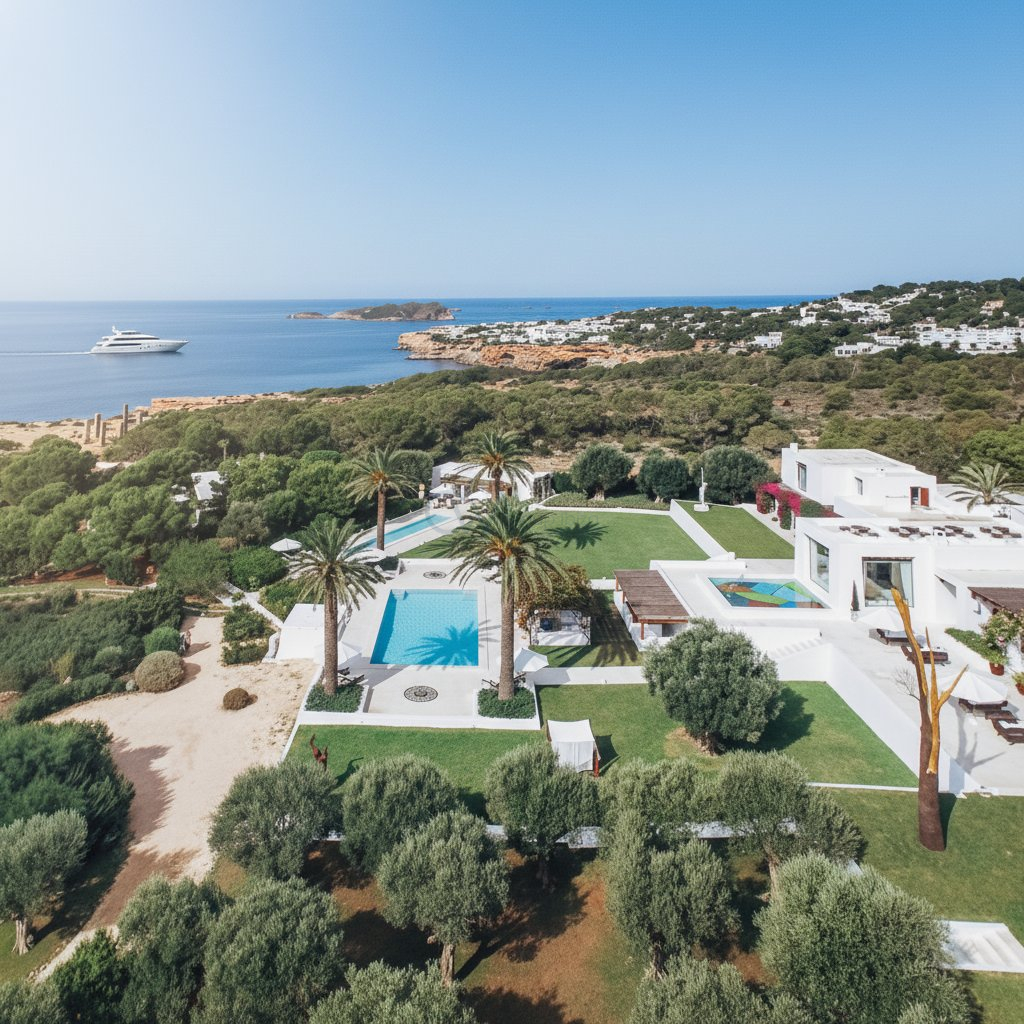
The Rhythm That Never Sleeps
The music scene in Ibiza is famous worldwide, but when you live here, you start to understand it differently. It is not only about big headliners or packed clubs, it is the way music blends into everyday life. On the west coast, you might walk past a beach bar in San Antonio and hear a DJ playing a slow, warm set that matches the sunset perfectly. Locals stop for a drink, visitors sit quietly for a moment, and the whole bay seems to move with the last light of the day.
At the other end of the spectrum are the nights at Hï Ibiza, where Black Coffee’s Saturdays have become a weekly landmark. His sets are not just loud or energetic, they are precise, atmospheric and unlike anything you hear elsewhere. Even people who rarely go to clubs often tell me they experienced something special there.
On Sundays, Solomun’s “+1” at Pacha continues to draw an international crowd. What makes the night special is not the fame around it, but how consistent the quality is. You can feel the room react as soon as he changes direction in a set, and thousands of people move together without any sense of chaos, which is rare for a club of that size.
For pure entertainment, David Guetta’s Monday nights at Ushuaïa deliver exactly what visitors hope for. There is big production, an open-air atmosphere and the steady stream of planes coming in low over Playa d’en Bossa on their way to the airport. It is part of modern Ibiza, and there is a reason so many first-time visitors start here.
Yet some of the best music moments on the island happen in much smaller settings. Think of an unannounced guest DJ in a beach bar, an off-season event for the local community or a relaxed evening with friends where the music matters more than the spectacle. These are the sides of Ibiza you only discover after living here for a while, and they are often the nights people remember most.
The roots of this culture go back a long way. Pacha opened in 1973 in a converted farmhouse, at a time when Ibiza was still a quiet island of fishermen, farmers and artists. Since then the scene has grown into one of the most famous in the world, yet the spirit of those early years can still be felt. For residents, music is not only a summer affair, because in the quieter months small bars and village squares keep the island’s rhythm alive.
The Art of Invitation
Alongside the well-known clubs and beach venues, Ibiza has a second social world that you only notice when you live here. It is made up of private dinners, garden gatherings among the pine trees and small meet-ups on the beach that are never advertised anywhere. These are not commercial parties but shared moments among friends, residents and people who have been returning to the island for years.
Every summer, someone in the local network hosts something special. It can be a simple dinner that turns into a long evening under the stars, or a more creative event where music, food and art come together. I remember one evening when a friend brought me to a private event inspired by Cirque du Soleil. Guests walked through a corridor of soft lights into a garden where performers moved between the trees, chefs prepared small tasting dishes in front of us and a violinist played alongside the DJ. Nothing felt staged, and it unfolded more like an experience than a party.
Moments like these reflect a side of the island that is hard to explain unless you have lived it. They are smaller, more personal and shaped by the people rather than by promotion. Invitations usually come through local connections, mutual friends or someone you meet in a quiet café in the morning. It is a reminder that Ibiza still has a strong creative community, one that values freedom, expression and the idea that the best evenings often happen away from the spotlight.
Some of the most beautiful invitations, however, are open to everyone. Every village celebrates its patron saint with its own festes, such as Santa Eulària in February or Sant Bartomeu in Sant Antoni at the end of August, with processions, music and the ball pagès, the traditional island dance protected as a Bien de Interés Cultural. Joining these celebrations is one of the best ways to get to know the Ibicencos and to feel part of island life.
Mornings of Stillness
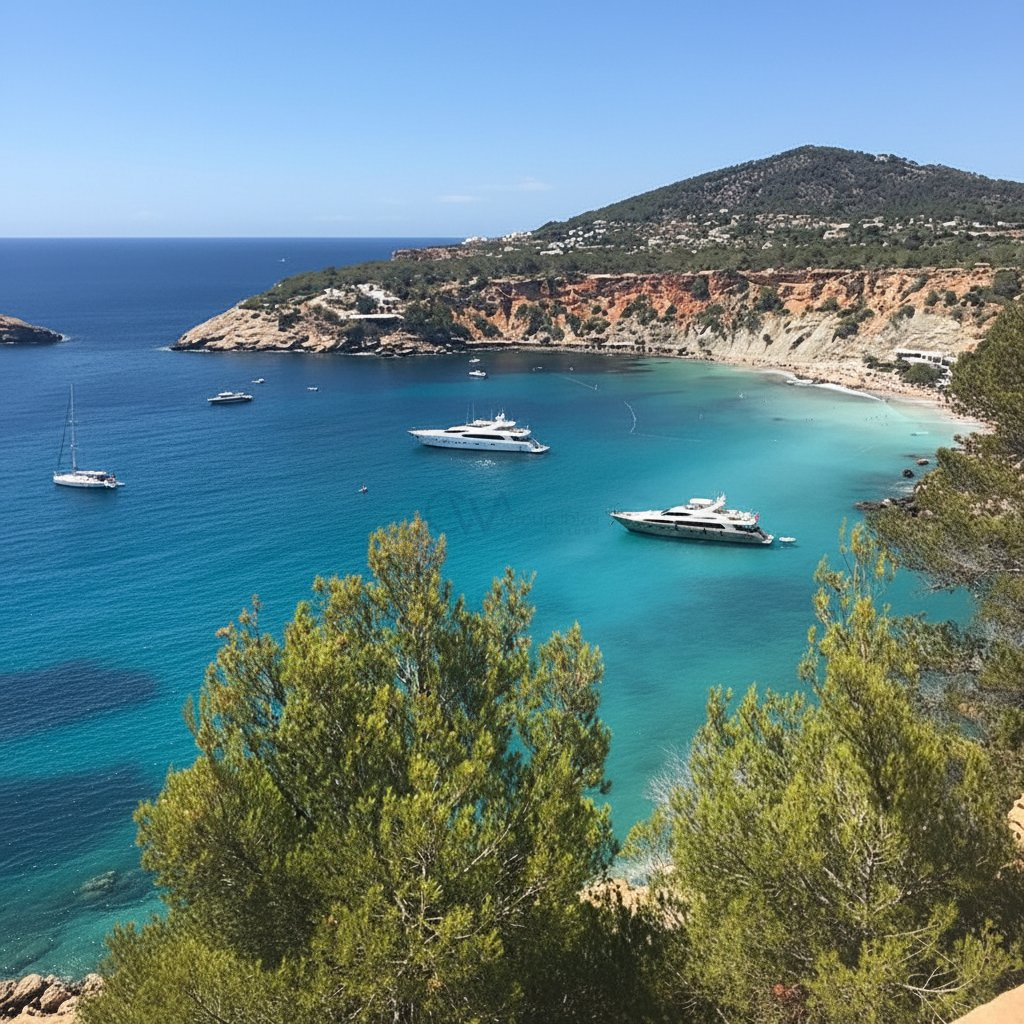
When the island quiets down, Ibiza shows one of its most underrated sides, its mornings. The early hours belong to residents, workers and anyone who enjoys the island without the noise of the night before. The first light touches the cliffs of Es Cubells, where the coastline drops steeply into the sea and the village stays calm even in August. I often drive there before starting the day, not only for the view, but for a few quiet minutes before the meetings begin.
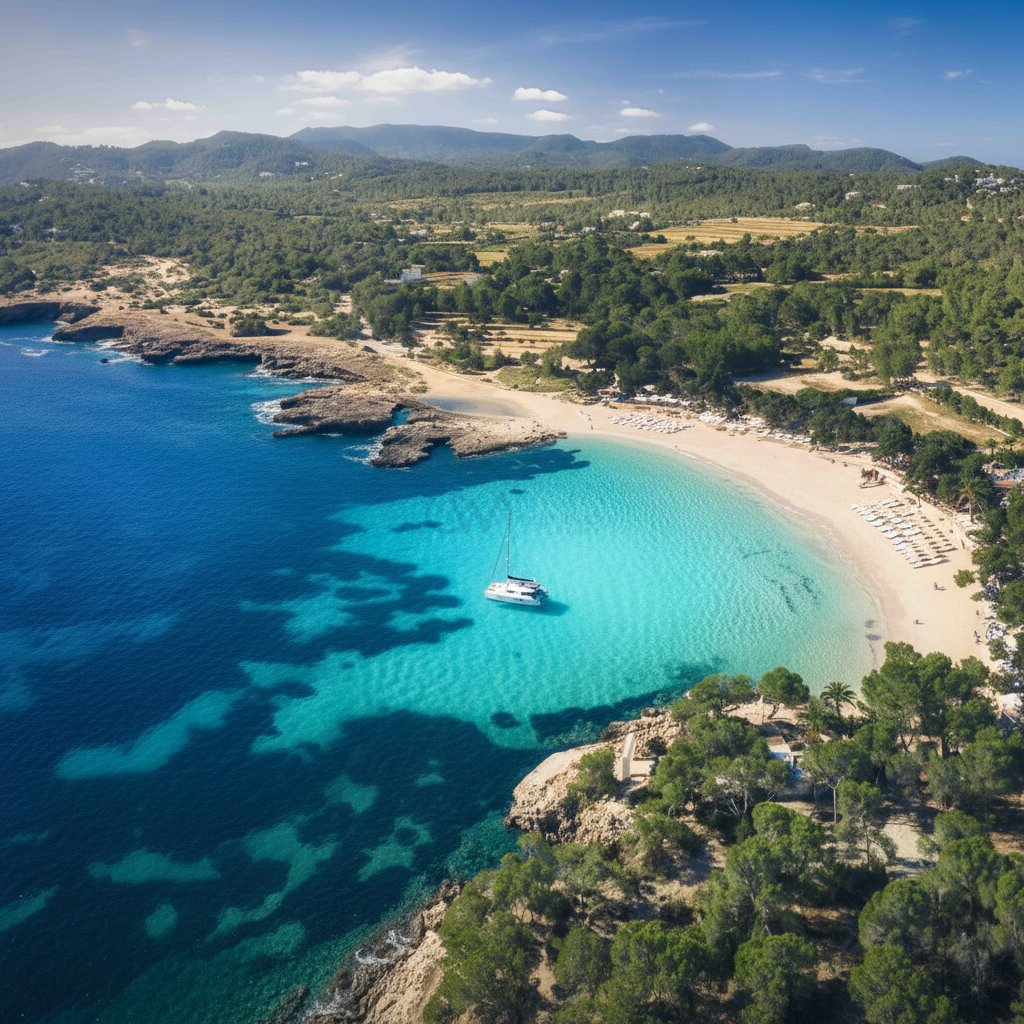
In Ibiza Town, many locals start their morning at Passion Café in Marina Botafoch. It is simple, with good coffee, fresh food and a relaxed atmosphere where people actually take time for a conversation. From there, the day can go in any direction. Sometimes I head west to Cala Comte, one of the clearest beaches on the island. In the morning the bay is still empty, the water is calm and almost transparent, and you can sit on the rocks and watch the first boats head out to sea.
On days when I need real solitude, I go to Atlantis (Sa Pedrera). The path down takes about 30 minutes and the climb back up around 45, and it calls for proper shoes, which keeps the area quiet even in high season. The sandstone formations and small natural pools feel far removed from the rest of the island. People often say the place has a certain energy, not in a mystical way, but simply because it is one of the few spots where you hear nothing but wind and water. After twelve years of living here, it is still the place I return to when I need a break from the busier rhythm of the island.
Beach Clubs, from Glamour to Quiet Coves
If the nights belong to the clubs, the days belong to the beach. Every cove has its own rhythm, and every beach club tells its own story. This is where Ibiza’s luxury and laid-back charm meet, where a long lunch can easily turn into an afternoon party and, if you are lucky, an unforgettable sunset. Most beach clubs open from late March or April until mid-October, so the season is longer than many visitors expect.
At Blue Marlin in Cala Jondal, glamour meets groove. The day begins quietly with fresh juices and people watching, and by noon the beds are filled with international guests, rosé and the first DJ set of the day. By sunset the whole bay hums with that unmistakable energy that turns the beach into a dance floor. This is where you will find me on most Sundays.
Just a few steps away is Casa Jondal, a benchmark for barefoot luxury. The kitchen is led by chef Rafa Zafra, who once cooked at elBulli, and it has redefined what seaside dining can be on the island. The service is relaxed yet precise, the seafood is outstanding, with caviar and fish from the grill, and lunches easily stretch for hours while the sea shimmers a few metres away.
For something more artistic and understated, Experimental Beach in Cap des Falcó captures the bohemian side of the island. It sits near the salt flats of Ses Salines, at the end of a bumpy dirt track, which is part of its charm. Locals, artists and longtime residents gather here to watch the sun melt behind Es Vedrà. The cocktails are handcrafted, the music is soulful and the view across the sea is nothing short of cinematic.
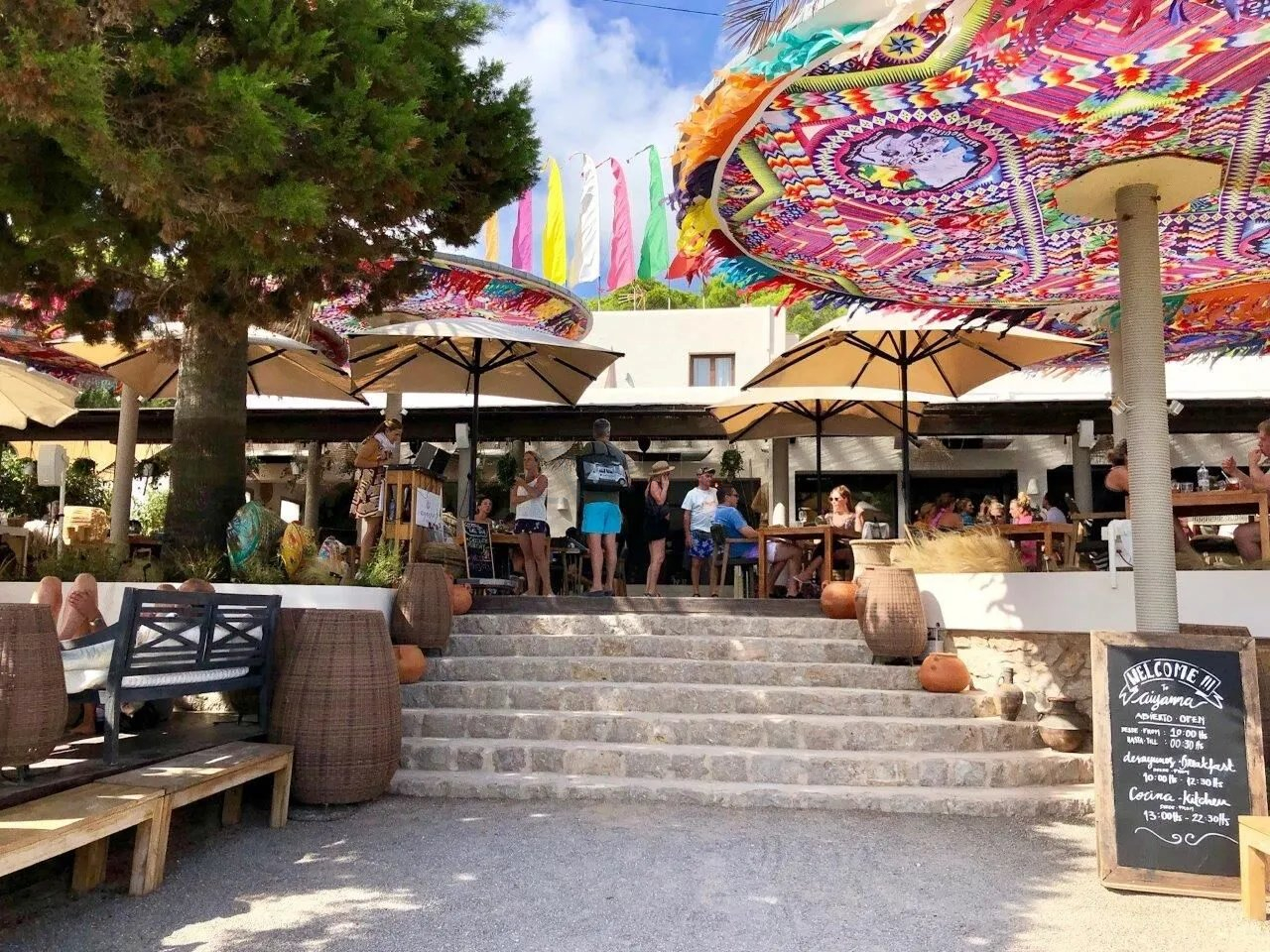
On the east coast, Amante above the bay of Sol d’en Serra near Cala Llonga and Aiyanna in Cala Nova offer a quieter, more natural kind of luxury. Their terraces sit among pine trees above the sea and serve modern Mediterranean cuisine. At Amante, a morning yoga session followed by breakfast overlooking the water has become a ritual for many who prefer the calm side of Ibiza.
Of course, Nikki Beach in Santa Eulalia still brings that jet-set sparkle, with live music, poolside dancing and the feeling that summer might last forever. Even after years here, I still smile at how effortlessly this island turns an ordinary afternoon into a celebration. Then there is Cala Bassa Beach Club, loved by locals and families alike, with wooden decks shaded by juniper trees and water so clear it hardly seems real. The atmosphere here is more relaxed, a reminder that Ibiza is not only for the party crowd.
Every beach club carries the same spirit that defines the island, a sense of freedom, rhythm and connection. Whether you are drinking an espresso in the morning or dancing at dusk, these places show that in Ibiza the beach is not just scenery, it is a way of life.
Where to Eat in Ibiza, from Michelin Stars to Beach Kitchens
Over the last decade, Ibiza has become one of the most interesting food destinations in the Mediterranean. The island’s dining culture reflects the people who live here and visit, international, creative and rooted in simple Mediterranean ingredients. What makes Ibiza special is not only how many good restaurants there are, but how varied the experiences are, from Michelin-starred tasting menus to small family-run places where the recipes have not changed for decades.
For fine dining, La Gaia at the Ibiza Gran Hotel remains a benchmark. Chef Óscar Molina holds a Michelin star for a concept he calls Mediterranean Kaiseki, with local produce and seafood prepared with a Japanese sense of balance. The island currently has three Michelin-starred restaurants, and alongside La Gaia these are Omakase by Walt in Ibiza Town and Unic in Playa d’en Bossa. They are not everyday restaurants, but for clients who love gastronomy, they are among the most refined experiences on the island.
In the old town of Dalt Vila, La Torreta has been a constant for more than forty years. It sits on the Plaça de Vila, partly inside an old watchtower, and while the square is lively, the restaurant itself feels intimate. Candlelight, good service and well-prepared Mediterranean dishes such as grilled octopus make it ideal for couples or anyone looking for a classic evening.
If you prefer something more relaxed and close to nature, Aubergine by Atzaró on the road from Santa Gertrudis to San Miguel is a good choice. Surrounded by countryside, the kitchen works with fresh, seasonal produce from the fields around it. It is popular for long lunches and attracts families, locals and travellers who care about how their food is grown.
Just a few kilometres away, Bar Costa in Santa Gertrudis remains one of the most authentic meeting points on the island. Its walls are covered with paintings, some of them once traded by artists for drinks, and its simple jamón sandwich even made it onto an international list of the world’s best sandwiches. Artists, long-term residents and business owners all meet here, and locals like to say that if you have not been to Costa, you have not been to Ibiza. It is not about luxury, it is about community, and that atmosphere has survived all the changes on the island.
The south coast also has some excellent fish restaurants. Es Torrent sits right on its own small beach and is known for fresh fish, paella and seafood served with your feet almost in the sand. Es Xarcu, on a tiny beach next to Cala Jondal, has been serving the island’s fresh catch for more than thirty years, often baked or grilled with local potatoes and peppers, and its Ibizan red prawns are famous. These places are straightforward, with fresh ingredients, simple cooking and reliable quality.
Beyond the Beaches
Just a short drive inland, Ibiza shows a completely different personality. Away from the coast, the island feels slower, more grounded and much closer to its rural roots. The small inland villages are where many long-term residents spend their time, and where visitors get a clearer sense of the island’s culture beyond the beach clubs and nightlife.
San Juan is a good example. Every Sunday from 10 am to 4 pm, all year round, the square in front of the village church fills with a market that has become part of the island’s identity. It is not a tourist show but a gathering of local producers, with handmade crafts, organic food, flowers and live music from midday. Many residents come here to buy vegetables, catch up with friends or simply enjoy the atmosphere.
In Santa Gertrudis, the central square works almost like a communal living room. Families, remote workers, long-term residents and creatives mix here naturally, and the cafés stay busy throughout the day. The village has become a hub for people working in design, architecture and music. It is a good place to meet locals, and many newcomers eventually decide to settle here because it stays lively all year.
Further north, Benirràs offers one of the most beautiful sunsets on the island, with the sun setting behind Es Cap Nonó, the rocky islet in the middle of the bay. For years the beach was known for its Sunday drumming, but music is no longer allowed there, as the municipality now protects the peace of the bay. What remains is a calm cove surrounded by pine-covered hills, where you can swim, have dinner at one of the beach restaurants and watch the light fade over the water. On summer Sundays parking fills up early, so it is worth arriving well before sunset.
On Saturdays, the market at Las Dalias in San Carlos shows another side of the island’s history. It has been running since 1985 and still carries the spirit of the hippie years that shaped Ibiza from the 1960s onwards. Between the stalls with jewellery, fashion and crafts, you will find long-term residents, families and visitors who simply enjoy a slower Saturday. Places like these explain why so many people come to Ibiza for a holiday and end up making it their home.

Seasons of the Island
Most visitors only see Ibiza in summer, but those who live here know how much the island changes throughout the year. Each season has its own atmosphere, pace and community. Living through these cycles is one of the reasons so many residents feel deeply connected to the island.
Autumn is one of the most enjoyable times of the year. The sea stays warm well into October, at around 21 degrees on average, the beaches become calmer and many restaurants stay open without the pressure of high season. Locals return to their favourite spots, and the closing parties from late September to mid-October mark the shift from the intense summer to a slower rhythm. It is a wonderful time for hiking, long lunches outdoors and exploring places that are crowded in July and August.
Winter is when Ibiza feels closest to its roots. The island becomes quiet, but never empty. Cafés in Santa Gertrudis, San Juan and Ibiza Town stay open, and many residents use these months to rest, reconnect or work on plans for the year ahead. From January to March the almond trees blossom, and the plain of Pla de Corona near Santa Agnès turns white and pink, with a flat 8 km walk that leads right through the orchards. You can stroll through Dalt Vila almost alone, and on Sundays locals gather for long meals in country restaurants that stay open all year.
Spring brings the energy back slowly. Wildflowers cover the hills, the markets grow busier and owners start preparing their homes for the season. By April the island feels alive again as restaurants reopen, crews return to the marinas and families spend more time outdoors. The opening parties from late April into May mark the unofficial start of summer, and the island moves back into a more social rhythm.
Living through these changes shows a side of Ibiza that most short-term visitors never see. The island does not run at a single pace, it adjusts, breathes and moves through the seasons in a way that feels natural. That balance is a big part of why so many people eventually choose to make Ibiza their home.




The People Who Make Ibiza Unique
One of the reasons Ibiza feels so different from other destinations is the people who choose to live or spend time here. In my twelve years on the island, I have met a wide mix of residents, from local farmers whose families have worked the land for generations to international entrepreneurs who work remotely, artists who come for inspiration and families looking for a slower, healthier life. Despite their different backgrounds, most of them share the same mindset. They prefer meaningful experiences over routine and value the island’s balance of freedom and simplicity.
Ibiza also attracts well-known names from music, fashion, sport and film, although you rarely see them in the spotlight. They come for privacy, good food and the chance to blend into the island’s rhythm, whether that means a quiet table in Marina Botafoch, a morning at the market or a day on a boat around Formentera. What stands out most is how Ibiza tends to bring people to the same level. Status and fame matter less here than respect for the place and its way of life.
The locals, the Ibicencos, play a central role in preserving the island’s character. They are warm, community-minded and proud of their traditions. Anyone who approaches the island with genuine interest in its culture, learns a few words of Eivissenc, the local form of Catalan, or shows care for the landscape is welcomed naturally. Their values are a big part of what keeps Ibiza authentic despite its international fame.
Es Vedrà and Formentera, the Soul of the Mediterranean
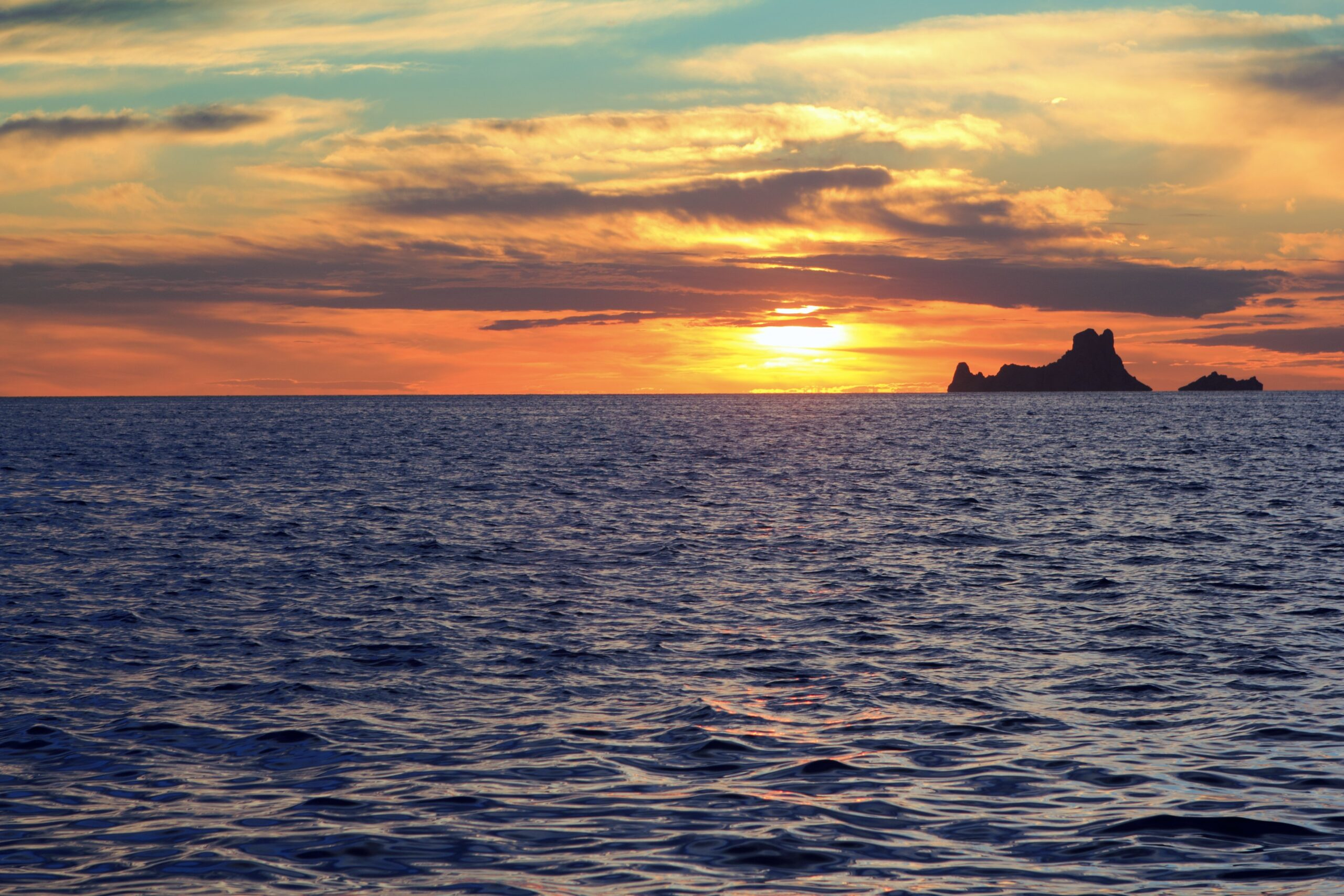
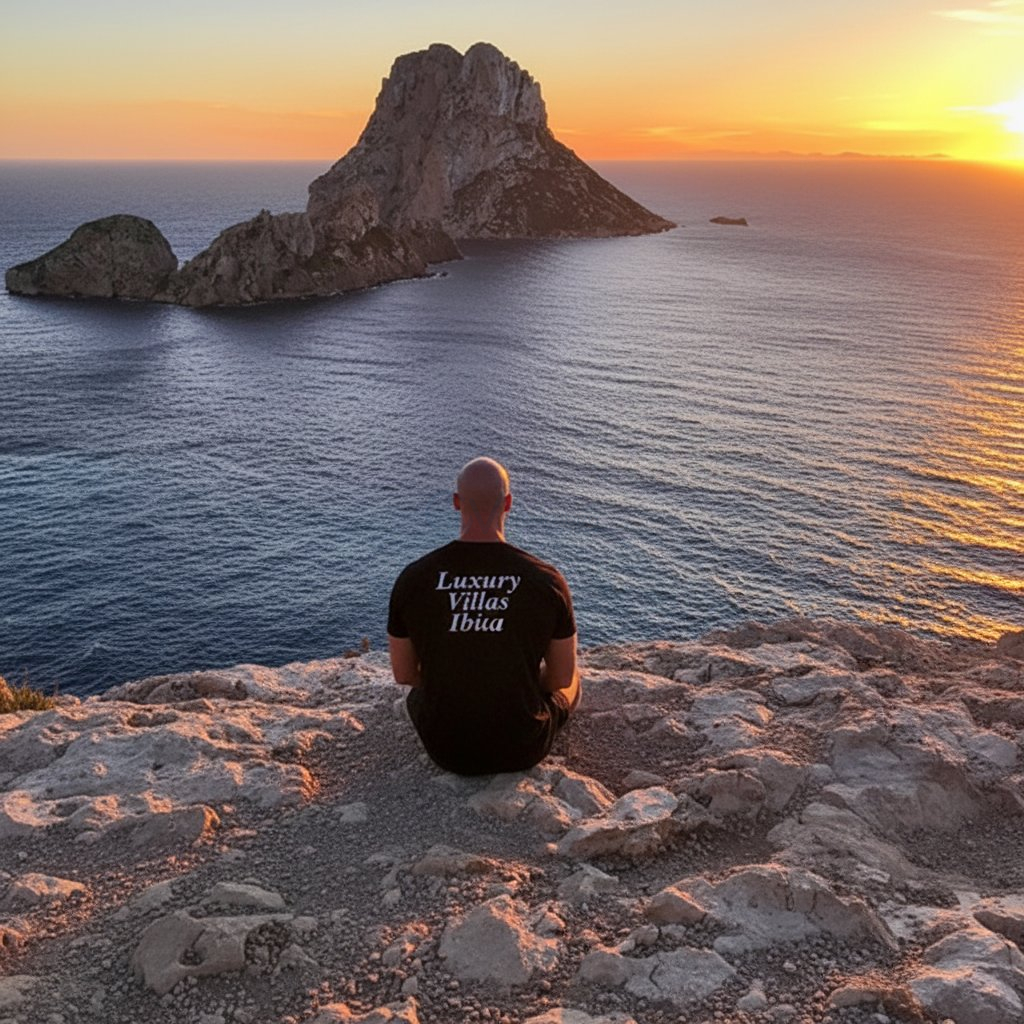
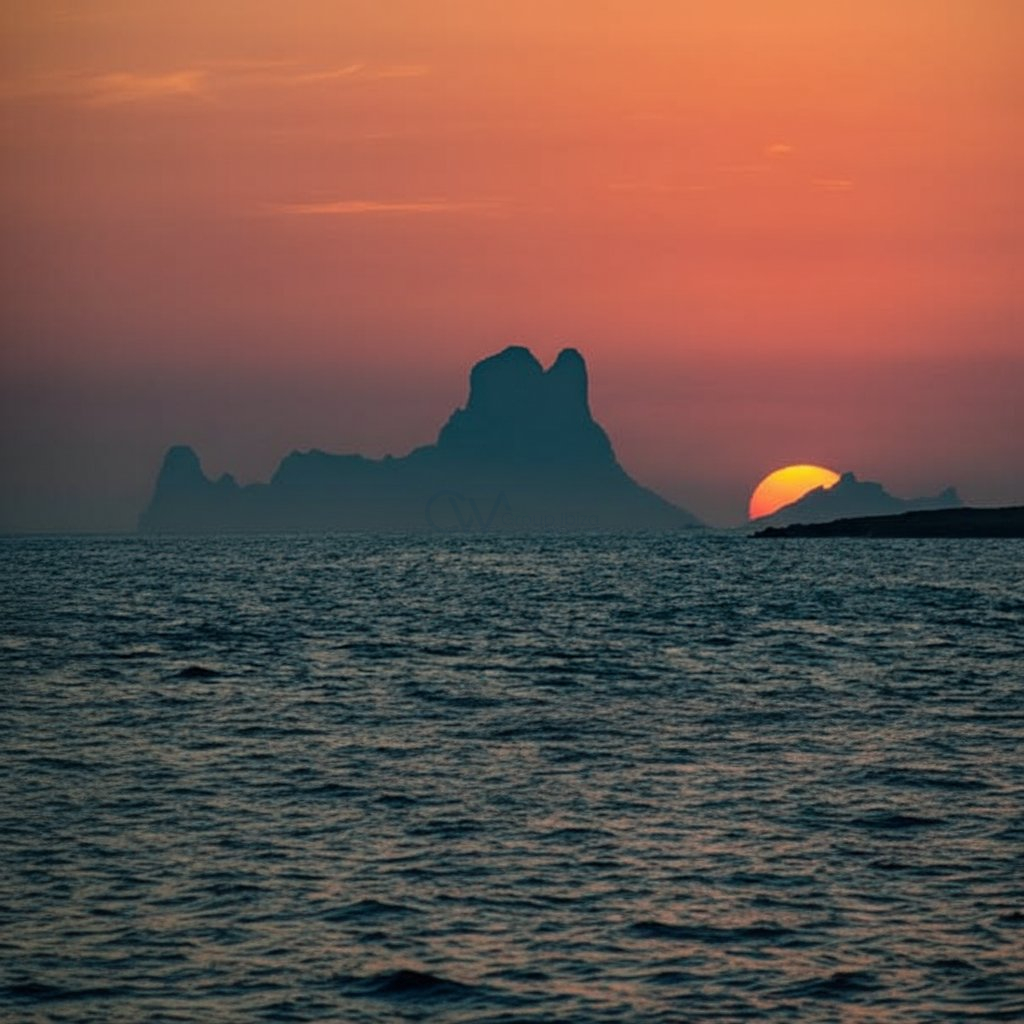
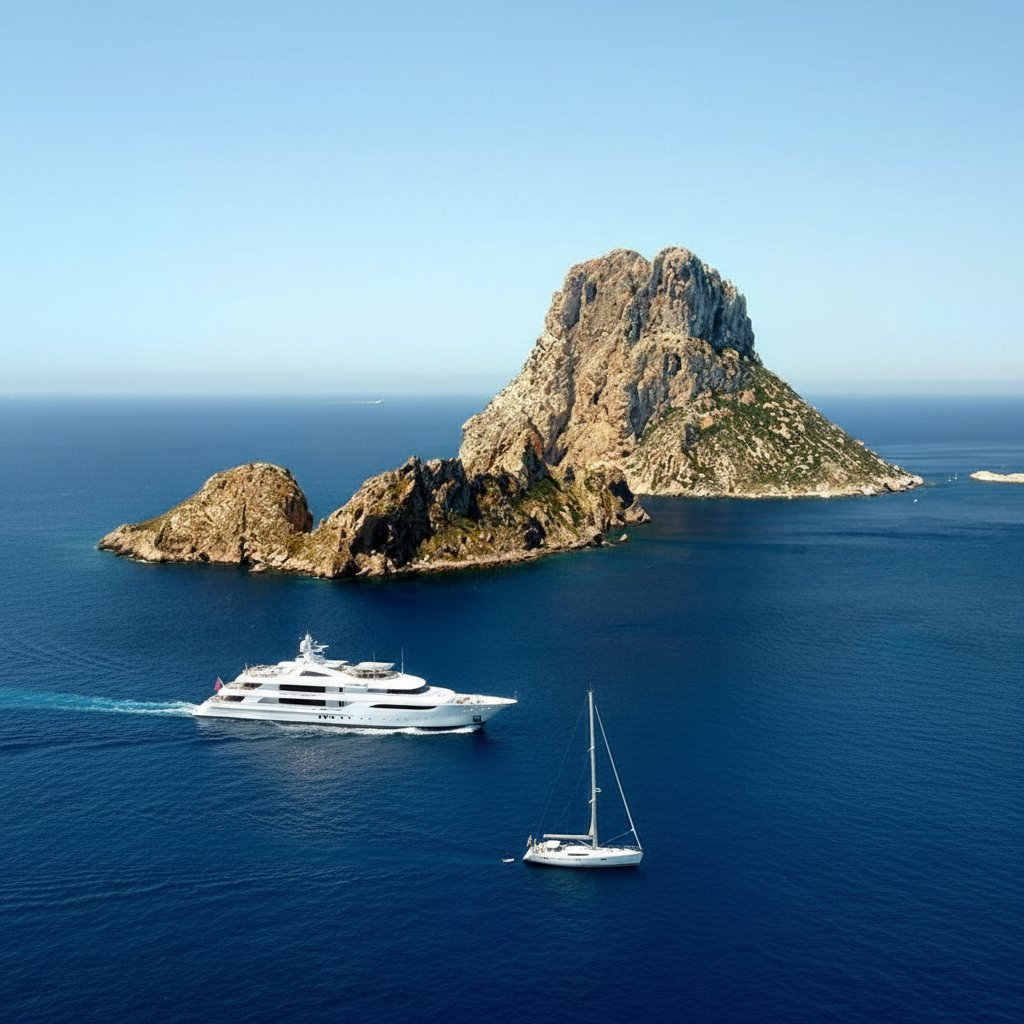
Ask long-term residents about their favourite places and most will mention Es Vedrà or Formentera. Es Vedrà, the 382-metre rock off Ibiza’s southwest coast, has a presence that is hard to explain. Sailors, divers and locals all describe the same feeling, a sense of calm as they approach it by boat. I have been there many times, and the quiet moments around sunset, when the cliffs change colour, are some of the most peaceful the island has to offer.
A favourite tradition among residents is to take friends out to Es Vedrà for an evening on the water. You anchor nearby, enjoy something simple to drink and watch the light move across the rock as the sun goes down. Es Vedrà has been a protected nature reserve since 2002, so landing on the island is not allowed, and boats should always anchor on sand rather than on the seagrass. It is not a spectacle, just a reminder of how naturally beautiful the island is away from the noise.
South of Ibiza lies Formentera, its smaller and quieter neighbour. Known for its clear water and relaxed pace, it is where many locals go when they need a slower day. The beaches of Ses Illetes and Migjorn are among the most beautiful in the Mediterranean, and the water owes its clarity to the Posidonia seagrass meadows between the two islands, which have been part of a UNESCO World Heritage Site since 1999. A typical day means anchoring in a quiet bay, a long lunch at a beach restaurant and an afternoon of swimming.
Where Ibiza brings energy, Formentera brings balance. Together they show the full rhythm of life in the Balearics, with beauty, nature, community and space to breathe.

Ibiza at Sunrise
Most visitors focus on Ibiza’s sunsets, but the sunrise is something you only really discover when you live here. Around six in the morning, after the last clubs close, the island becomes quiet in a way that surprises many people. The first fishing boats leave the harbour in Ibiza Town, the early light touches Playa d’en Bossa and the smell of fresh bread drifts out of the village bakeries. It is the moment when Ibiza feels most authentic and calm.
Locals know a few places where the sunrise is especially memorable. From Punta de ses Portes, the southern tip of the island with its old watchtower, you can watch the light spread across the sea towards Formentera. Around Santa Eulalia, early paddleboarders glide over completely flat water, and east-facing beaches such as Aguas Blancas catch the very first rays of the day. These are simple moments, but they show a side of the island that most visitors never see.
Sunset, Ibiza’s Daily Pause
At the other end of the day, the island shifts again. Sunset is a daily ritual, a moment when people stop, breathe and watch the colours change. The west coast is the best place for it, and each spot has its own personality.
At Cala Salada, a small bay surrounded by pine-covered hills, swimmers often stay in the water until the sun disappears. A few minutes away at Cap Negret, the view is more dramatic, with cliffs turning bronze as the sea turns silver. And of course, Café del Mar and Café Mambo in San Antonio still offer that unmistakable atmosphere, with music in the background, people quietly watching the sky and the feeling of being part of something timeless.
Driving home after sunset, I am often reminded of how well Ibiza balances its opposites, noise and silence, night and morning, movement and stillness. That natural rhythm is one of the reasons people feel so connected to this island.
The Real Ibiza
After working on Ibiza for more than 15 years and living here for 12, I have learned that the island cannot be described in a single sentence. It is an island of contrasts, with luxury next to simplicity, high energy next to deep calm and old traditions alongside a modern lifestyle. People come here for many reasons, some for the nightlife, others for nature, creativity or simply a break from routine. Almost everyone finds something personal in the island’s rhythm.
I have seen clients arrive stressed from work in London, Paris or New York and unwind within a day, sometimes after a quiet dinner by the sea, sometimes after an unexpected night out with friends. Ibiza has a way of reminding people how good life feels when you slow down and pay attention. You do not need to be perfect here, you just need to arrive with an open mind.
For me, the island is more than a home, it is a place that teaches you to be present. Whether you come for the music, the food, the beaches or the lifestyle, Ibiza gives you space to breathe and reconnect with yourself. And if one day you would like a place of your own here, from a quiet finca in the countryside to one of the Ibiza mansions for sale overlooking the sea, I will be happy to show you the island the way I know it. That, more than anything else, is the real Ibiza.

Christian Wolf is the founder and CEO of CW Real Estate Ibiza. He has worked on Ibiza for more than 15 years and has lived on the island for 12. Together with his team, he guides international buyers and sellers, including discreet sales that never reach the open market. In 2024, CW Real Estate Ibiza won the European Property Award as best real estate agency in Spain in its category.
FAQs – The Real Ibiza
Is Ibiza a good place to live with children?
Yes, many families live on Ibiza all year round. Children grow up close to nature, with beaches, countryside and a safe, international environment. Outside the summer months, life is calm and community-focused, and villages such as Santa Gertrudis and San Juan have a strong family atmosphere.
What is medical care like on Ibiza?
Ibiza has a good level of medical care. The public hospital Can Misses in Ibiza Town is the island’s main hospital, and the private Policlínica Nuestra Señora del Rosario offers 24-hour emergency care, more than 40 medical specialties and staff who help international patients in their own language. There are also health centres and pharmacies in every village.
Are there international schools on Ibiza?
Yes, there are several. Morna International College follows the British curriculum, the Lycée Français International d’Ibiza teaches the French programme, and Colegio Mestral offers the International Baccalaureate. All three welcome children from the age of three up to eighteen, which is one reason why so many international families settle here.
Is Ibiza safe?
Ibiza is considered a safe island to live on. The busiest areas in summer call for the usual care with valuables, but daily life for residents is peaceful. In 2025, reported burglaries on the island fell by 16.4%, and many homes add an alarm system or a gated entrance for extra peace of mind.
Can you live on Ibiza all year round?
Absolutely, and more people do so every year. In winter the island is quieter, but supermarkets, schools, doctors, many restaurants and cafés stay open. Many residents say autumn, winter and spring are the most beautiful times to live here.
How easy is it to get to Ibiza from the UK?
Very easy. Direct flights from London take around two and a half hours, with airlines such as British Airways, easyJet and Jet2, and there are also routes from other UK airports. In winter there are fewer direct flights, so connections via Madrid or Barcelona are a good alternative.
Do you need a car on Ibiza?
In most cases, yes. The island is only about 40 kilometres long and 20 kilometres wide, so no drive takes very long, but buses mainly connect the larger towns. If you live in the countryside or want to explore quiet beaches and villages, a car gives you the most freedom.
Which part of Ibiza suits me best?
That depends entirely on how you want to live. The south offers short distances, beach clubs and Ibiza Town, the north is calmer with more nature, and the centre around Santa Gertrudis combines both. Contact us and we will gladly help you find the area that fits your lifestyle.